Time-Lapse Cameras for Construction and Business Projects
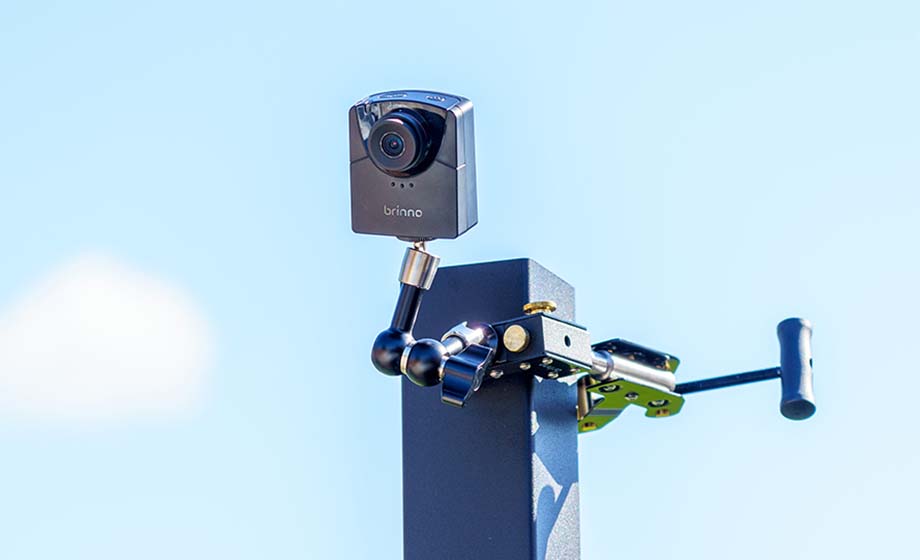
Some projects take weeks, months, or even years to complete. During that time, a lot can happen. Buildings take shape, infrastructure changes, teams move through different stages of work, and hundreds of smaller milestones can easily be forgotten.
This is where Time-Lapse Cameras can provide something that ordinary photographs and occasional video recordings cannot. By capturing images at regular intervals, they turn a long period of activity into a short visual sequence that shows how a project developed from beginning to end.
Although time-lapse technology is often associated with construction, its applications are much broader. Businesses can use it for infrastructure projects, property development, events, landscaping, facility improvements, and even marketing content.
What Makes Time-Lapse Different From Normal Surveillance?
A conventional CCTV system is generally designed for security and real-time monitoring. Its purpose is to observe activity and, where required, record footage that can be reviewed later.
Time-lapse recording serves a different purpose. Instead of continuously recording every second, a camera captures images at predetermined intervals. Those images can later be combined into a video showing changes over an extended period.
Imagine a commercial building being constructed over twelve months. Watching twelve months of continuous footage would obviously be impractical. A time-lapse sequence, however, could condense that entire process into a few minutes.
The result is not just visually interesting. It can provide a useful record of how the project progressed.
Why Are Time-Lapse Cameras Useful for Construction Projects?
Construction sites are one of the most obvious applications because physical changes happen continuously.
A properly positioned camera can document everything from early groundwork and foundations to structural development, exterior finishing, and final completion. Project managers can use the resulting footage to create a visual timeline of the work.
This can also be useful when communicating with clients. Rather than explaining months of progress through a collection of photographs, a company can present a clear visual story showing how the project evolved.
For large developments, the footage can become a valuable historical record as well. Years after completion, businesses may still want to demonstrate how a particular building or facility was developed.
Can Time-Lapse Help With Project Management?
The primary purpose of time-lapse recording is documentation, but the footage can sometimes provide additional value to project teams.
Regular images give managers a visual reference for different stages of work. When reviewing progress over time, they may be able to identify changes that are difficult to appreciate through isolated site visits or individual photographs.
It can also improve communication between stakeholders. Clients, architects, contractors, investors, and management teams may not all visit a site regularly. A visual record allows them to see tangible progress without needing to be physically present for every stage.
This does not replace professional inspections, project reports, or site supervision. Instead, it adds another layer of documentation.
What Should Businesses Consider When Choosing a Camera?
The environment where the camera will operate has a major influence on equipment selection.
Outdoor construction sites, for example, expose equipment to heat, dust, wind, rain, and changing lighting conditions. A camera intended for indoor use may not be appropriate for such an environment.
Power is another consideration. Some locations have reliable electrical supplies, while temporary construction sites may require alternative power arrangements. Network connectivity can also vary depending on the site's location and infrastructure.
The desired recording interval matters as well. A project undergoing rapid changes may benefit from more frequent image capture, while a slower-moving development may not require images as often.
The objective should always be to design the system around the project rather than simply selecting a camera based on specifications.
How Can Time-Lapse Footage Support Marketing?
One of the interesting advantages of project documentation is that the final footage can become marketing material.
A completed development has a story behind it. Showing that story can make promotional content more engaging because viewers see the transformation rather than only the finished building.
Construction companies can use project footage in presentations, websites, social media campaigns, corporate videos, and client proposals. Property developers can also use it to demonstrate the scale and progression of a development.
For businesses, this can turn documentation that was created for operational purposes into useful visual content.
Can Time-Lapse Cameras Be Used Outside Construction?
Definitely. Construction may be the most familiar use case, but there are many other possibilities.
Businesses renovating offices or commercial facilities can document the transformation from an old space to a completed environment. Event organizers can capture the setup and dismantling of major events. Landscaping companies can document the transformation of outdoor spaces over time.
They can also be useful for infrastructure work, road projects, industrial facilities, and other long-duration activities where gradual changes are difficult to capture through conventional photography.
The common factor is simple: the subject changes over an extended period, and those changes become more meaningful when viewed as a sequence.
What About Camera Placement?
Placement can determine the quality of the final result.
A camera should have a stable position with a clear view of the area being documented. It should ideally remain in the same location throughout the project so that images can be compared consistently.
The surrounding environment should also be considered. Temporary structures, cranes, equipment, trees, or other objects may eventually obstruct the camera's view.
For larger sites, more than one camera may be necessary. Multiple viewpoints can provide a more complete record and can also create more interesting final footage.
Why Is Professional Installation Worth Considering?
A time-lapse system needs to continue operating reliably for an extended period. A minor installation problem at the beginning can become a significant issue if it is discovered several months later.
Professional installation can help with camera positioning, power arrangements, network connectivity, equipment protection, storage, and system monitoring. It also makes it easier to plan for maintenance and unexpected environmental conditions.
For long-term projects, reliability is particularly important. Missing several weeks of footage because of an unnoticed technical problem can create a permanent gap in the project's visual record.
Turning Months of Progress Into a Story
The biggest strength of Time-Lapse Cameras is their ability to make gradual change visible.
A project that seems to move slowly from day to day can look remarkably different when weeks or months of progress are compressed into a short sequence. That perspective can help businesses communicate achievements, preserve project history, and create engaging visual material.
For companies considering Time-Lapse Cameras, the right approach is to start with the purpose of the recording, the project environment, the expected duration, and the final use of the footage. With those factors established, it becomes much easier to create a system that produces meaningful results rather than simply collecting images.
In the end, time-lapse is more than a way to create an impressive video. It is a practical method of documenting change—and for many businesses, that record can remain valuable long after the project itself is finished.

About Premium Author
This post has been authored and published by one of our premium contributors, who are experts in their fields. They bring high-quality, well-researched content that adds significant value to our platform.

Popular Categories
Stay Connected
Recent Posts