Ductless AC Repair: 2026 Smart Cooling Trends & Maintenance Guide
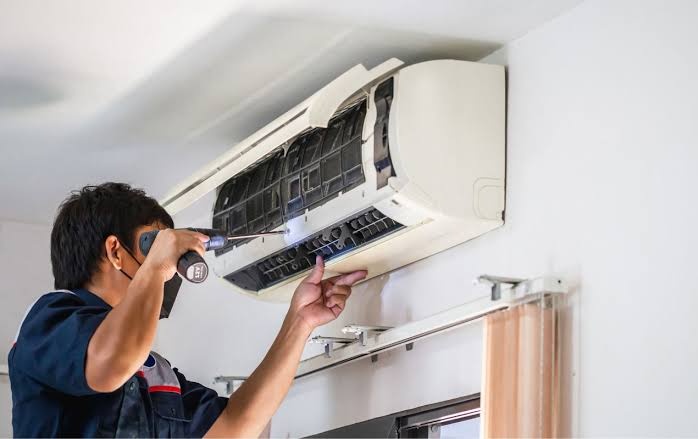
Ductless heating and cooling systems have become increasingly popular among homeowners looking for flexible temperature control, improved efficiency, and solutions for spaces that are difficult to connect to traditional ductwork. Mini-split systems can provide targeted heating and cooling for individual rooms, additions, garages, home offices, and other areas.
As HVAC technology continues advancing in 2026, ductless systems are becoming more sophisticated. Variable-speed compressors, smart controls, advanced sensors, improved refrigerant technology, and connected diagnostics are changing expectations for residential comfort.
However, even modern systems can develop performance problems. Understanding common warning signs and current technology can help homeowners make better decisions about maintenance and professional service.
Why Ductless Systems Are Different
Traditional central air conditioning distributes conditioned air through a network of ducts. Ductless systems use indoor air-handling units connected directly to an outdoor condenser.
This design eliminates the need for extensive ductwork and allows homeowners to control individual zones independently.
Ductless systems can be particularly useful for rooms that are difficult to condition with a central system. A finished attic, sunroom, garage, home addition, or converted space may benefit from dedicated temperature control.
Because each system has multiple components working together, professional maintenance remains important.
Common Signs of Ductless AC Problems
Several symptoms can indicate that a ductless system needs professional attention.
Homeowners may notice weak airflow, inconsistent cooling, unusual sounds, water leakage, unpleasant odors, frequent cycling, or an indoor unit that does not respond properly to the remote control.
Ice buildup on the indoor coil or refrigerant lines can also indicate a potential problem. Although some frost can occur under certain operating conditions, persistent or excessive ice should be evaluated.
A system that runs continuously without adequately cooling the room may also have an airflow, sizing, refrigerant, electrical, or mechanical issue.
Variable-Speed Technology Is Advancing
Variable-speed compressor technology is one of the major trends influencing ductless HVAC systems in 2026.
Rather than operating only at a fixed capacity, variable-speed equipment can adjust output according to the current demand.
When a room requires only a small amount of cooling, the compressor can operate at a lower capacity. When temperatures rise, it can increase output as necessary.
This approach can support more consistent temperatures, reduce frequent cycling, and potentially improve energy efficiency.
Proper sizing and installation remain essential because advanced equipment cannot compensate for an incorrectly designed system.
Smart Controls Improve Comfort
Smart controls are also becoming increasingly common with ductless systems.
Compatible systems can provide smartphone access, scheduling, remote temperature adjustments, energy monitoring, and system notifications.
Homeowners may be able to adjust individual zones without changing the temperature throughout the entire property.
Some advanced systems can incorporate occupancy information and automated scheduling to reduce unnecessary operation when rooms are unoccupied.
These features can provide greater convenience while helping homeowners manage energy consumption more intentionally.
Airflow Problems Should Not Be Ignored
Airflow is essential to ductless system performance.
Indoor filters can become dirty over time, restricting airflow and reducing cooling effectiveness. Homeowners should follow the manufacturer's recommendations for cleaning or replacing filters.
The outdoor unit also requires adequate clearance. Leaves, grass, dirt, and other debris can restrict airflow around the condenser.
If cleaning the accessible filter and clearing surrounding debris does not resolve weak airflow, professional diagnosis may be necessary.
The underlying problem could involve the blower, coil, fan motor, ductless indoor unit, or another component.
Refrigerant Technology Is Changing
The HVAC industry continues to transition toward newer refrigerant technologies in response to environmental goals and changing regulatory requirements.
Ductless systems installed in different years may therefore use different refrigerants and service procedures.
Refrigerant problems require professional attention. Homeowners should never attempt to release, recover, or recharge refrigerant without appropriate training and equipment.
A qualified technician can evaluate system performance, identify potential leaks, and determine whether repair or replacement is appropriate.
Drainage Problems Can Affect Indoor Units
Ductless indoor units remove moisture from the air during cooling operation. That moisture must be properly drained.
A clogged condensate drain can cause water to accumulate around an indoor unit.
Homeowners may notice dripping water, moisture on walls, or unexpected puddles near the equipment.
Ignoring water leakage can result in property damage and may allow mold or other moisture-related problems to develop.
Professional inspection can determine whether the problem involves the drain line, condensate pump, pan, or another component.
Smart Diagnostics Are Becoming More Useful
Connected HVAC systems are increasingly capable of monitoring their own operation.
Sensors can track temperatures, operating cycles, and other performance information. Advanced systems may identify changes from normal behavior and provide alerts.
For example, unusually long cooling cycles could indicate a developing airflow or equipment problem.
Smart diagnostics do not replace professional inspection, but they can provide useful information when evaluating system performance.
This trend is helping HVAC service move gradually from reactive repairs toward more predictive maintenance.
When Ductless AC Repair Is Needed
When homeowners need ductless AC repair, professional diagnosis is important because several different problems can produce similar symptoms.
Weak cooling, for example, could result from a dirty filter, airflow restriction, refrigerant issue, sensor problem, compressor fault, or another condition.
Replacing a component without identifying the underlying cause can result in unnecessary expense.
A qualified HVAC technician can inspect the indoor and outdoor units, electrical components, controls, airflow, drainage, and other relevant parts before recommending a solution.
Repair or Replace the System?
Not every malfunction means a ductless system needs to be replaced.
A relatively minor component failure may be repairable, particularly when the equipment is otherwise operating efficiently.
Replacement may become more practical when the system is older, requires frequent repairs, has declining efficiency, or experiences a major component failure.
Homeowners should compare repair costs with the potential benefits of modern equipment, including improved efficiency, smart controls, quieter operation, and updated refrigerant technology.
Preventive Maintenance Protects Performance
Regular maintenance can help ductless systems operate more reliably.
Homeowners can maintain accessible filters and keep the outdoor unit reasonably clear of debris.
Professional maintenance can include inspecting coils, fans, electrical connections, drainage, controls, and other components.
Early attention to unusual noises, water leakage, weak airflow, or changing cooling performance can help prevent a minor issue from becoming a larger failure.
The Future of Ductless Cooling
Ductless HVAC technology is becoming smarter, more efficient, and increasingly connected. Variable-speed compressors, smart controls, predictive diagnostics, improved refrigerants, and individualized zoning are shaping residential cooling in 2026.
For homeowners, the most effective strategy is to combine modern technology with proper installation, regular maintenance, and timely professional service.
By recognizing warning signs and understanding how modern ductless systems operate, homeowners can make better decisions about repairs, upgrades, and long-term comfort. A properly maintained system can provide targeted cooling efficiently while giving homeowners greater control over individual areas of their property.

About Premium Author
This post has been authored and published by one of our premium contributors, who are experts in their fields. They bring high-quality, well-researched content that adds significant value to our platform.
Popular Categories
Stay Connected
Recent Posts