Sewer Inspection Camera: 2026 Guide for Homeowners
When buying a home, most people carefully examine the roof, kitchen, bathrooms, electrical system, and visible plumbing. But one important part of the property is often hidden underground: the sewer line.
A damaged, blocked, or deteriorating sewer line can lead to unpleasant odors, slow drains, sewage backups, and expensive repairs. Fortunately, modern inspection technology makes it possible to examine these underground pipes without immediately digging up the yard.
A sewer inspection camera provides a clear view inside the sewer line and can help identify problems that may otherwise remain hidden.
What Is a Sewer Inspection Camera?
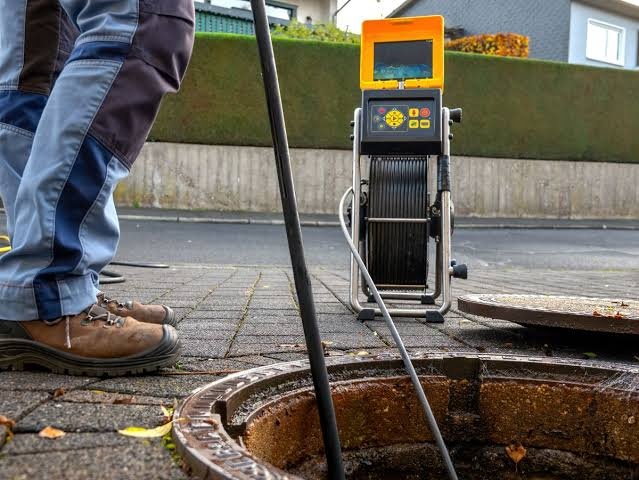
A sewer inspection camera is a specialized waterproof camera attached to a flexible cable. The cable is inserted through an accessible plumbing or sewer cleanout and guided through the underground sewer line.
As the camera moves through the pipe, it sends video to a monitor, allowing the inspector to observe the interior condition of the line.
Unlike traditional troubleshooting methods, a camera inspection can provide visual information about what is actually happening inside the pipe. This makes it a valuable tool when evaluating older properties, suspected sewer problems, or homes with conditions that could increase the risk of underground pipe damage.
What Can a Sewer Camera Inspection Find?
A sewer inspection camera can reveal a variety of problems depending on the condition and accessibility of the pipe.
Common findings may include:
- Cracks or breaks
- Blockages
- Root intrusion
- Pipe separations
- Corrosion or deterioration
- Grease or debris buildup
- Misaligned sections
- Damaged connections
- Evidence of previous repairs
- Sagging or low sections where applicable
Finding these conditions before they become a major problem can give homeowners more time to determine the appropriate solution.
Why Sewer Inspection Is Important When Buying a Home
A home can look excellent above ground while having significant problems beneath the property. Sewer lines can be expensive to repair because they may run underneath driveways, landscaping, patios, sidewalks, or other structures.
For a buyer, discovering a sewer problem after closing can turn into an unexpected financial burden.
A sewer camera inspection can provide additional information about the condition of the line before the purchase is finalized. If a significant issue is discovered, the buyer can discuss the findings with qualified professionals and better understand potential repair or replacement needs.
Older Homes May Deserve Extra Attention
The age of a home can be an important consideration when deciding whether to have the sewer line evaluated.
Older properties may have aging underground plumbing materials or pipes that have experienced decades of soil movement, root growth, corrosion, or other stresses.
This does not mean every older home has a sewer problem. Instead, the age and history of the property can help determine whether a sewer scope should be included in the inspection process.
Trees and Sewer Lines Can Create Problems
Trees and large shrubs can add beauty and value to a property, but their roots may create problems for underground plumbing.
Small openings, joints, cracks, or deteriorating pipe sections can provide pathways for roots to enter. Once inside, roots can grow and contribute to restrictions or blockages.
A camera inspection can help identify root intrusion and show where the affected section of pipe is located.
Warning Signs of a Sewer Line Problem
Homeowners should pay attention to plumbing symptoms that could indicate an underground sewer issue.
Potential warning signs include:
- Multiple slow drains
- Repeated backups
- Gurgling sounds from drains
- Unpleasant sewer odors
- Toilets that frequently have drainage problems
- Water backing up into tubs or showers
- Recurring clogs despite cleaning
- Unexplained drainage problems
A single slow drain may simply be a localized plumbing blockage. However, problems affecting several fixtures at the same time can justify further investigation.
When Should You Schedule a Sewer Camera Inspection?
A sewer inspection can be useful in several situations.
Before Buying a Home
A pre-purchase sewer inspection can provide information about an underground system that may not be evaluated during a standard visual home inspection.
Before Selling
Sellers may choose to evaluate the sewer line before listing a property. Identifying problems early can reduce the likelihood of unexpected findings later in the transaction.
When Plumbing Problems Keep Returning
If a property experiences recurring backups or clogs, a camera can help determine whether the underlying issue is inside the sewer line.
After Major Repairs
If a sewer line has previously been repaired, a camera inspection may help document the condition of accessible portions of the system, depending on the circumstances.
Why Camera Inspections Can Be Better Than Guesswork
Without a camera, diagnosing an underground pipe problem can involve considerable uncertainty. A professional may have to rely on symptoms, plumbing access points, and other observations.
A camera provides visual evidence of the pipe's interior. It can help identify the location and nature of certain problems and give homeowners and qualified repair professionals more information when deciding what to do next.
It is important to remember that camera inspections have limitations. The entire sewer system may not always be accessible, and the camera cannot necessarily identify every defect or condition outside the visible pipe.
Sewer Inspection in 2026: A Smart Preventive Step
As homeowners become more focused on avoiding unexpected repair costs, underground plumbing deserves the same attention as other major components of a property.
A sewer inspection camera can help uncover problems before they develop into severe backups or costly excavation projects. This can be particularly valuable for buyers purchasing an older home or a property with mature landscaping.
The inspection itself does not automatically mean that repairs are needed. Instead, it provides information that can help property owners make better decisions.
Conclusion
Sewer lines are easy to forget because most of the system is hidden beneath the ground. Yet problems with underground pipes can become some of the most disruptive and expensive plumbing issues a homeowner encounters.
Using a sewer inspection camera allows an inspector to view accessible portions of the sewer line and identify conditions such as blockages, root intrusion, cracks, separations, and deterioration.

About Premium Author
This post has been authored and published by one of our premium contributors, who are experts in their fields. They bring high-quality, well-researched content that adds significant value to our platform.

Popular Categories
Stay Connected
Recent Posts