Portable vs Packaged vs Ducted AC Units: Key Differences
When a space needs cooling, the first question is usually how much cooling is required. The second, and equally important, question is what kind of air conditioning unit should deliver it. The wrong type of unit can be noisy, inefficient, difficult to install or simply unable to cope with the space, even if its capacity looks right on paper.
For temporary and semi-permanent cooling, three types of equipment dominate: portable units, packaged units and ducted systems. Each works differently, suits different spaces and comes with its own advantages and limitations.
This guide explains how each type works, compares them side by side and helps you decide which is the right fit for an office, warehouse, event tent, server room, construction site or any other space that needs to stay cool.
A Quick Note on How Air Conditioning Works
All three types use the same basic refrigeration cycle. A refrigerant absorbs heat from indoor air as it passes over a cold coil called the evaporator. A compressor then pumps that refrigerant to a hot coil called the condenser, where the heat is released outdoors. What differs between the three types is where these components are located and how cooled air reaches the space.
Portable AC Units
Portable air conditioners are self-contained units on wheels. The evaporator, compressor and condenser are all housed in one cabinet that sits inside the space being cooled. Cool air is blown directly into the room, while hot air from the condenser is expelled outdoors through a flexible exhaust hose, usually vented through a window, door, ceiling void or wall panel.
Larger industrial versions, often called spot coolers, can deliver focused cooling through adjustable nozzles or short ducts. Capacities typically range from small units of around 3 kW up to industrial spot coolers of 15 kW or more.
Advantages. Portable units are quick to deploy, often plug-and-play from a standard or industrial socket. They need no permanent installation and can be moved easily from one location to another. They are ideal for targeted cooling in a specific room or work area.
Limitations. Because the whole unit sits inside, portable units add some noise to the space. Their capacity is limited, so cooling a large area may require many units. The exhaust hose must be vented properly, or the hot air will simply return to the room. Some models also produce condensate water that needs draining.
Best for. Server rooms, small offices, control rooms, kitchens, workshops, spot cooling on production lines and emergency cover when a room's fixed system fails.
Packaged AC Units
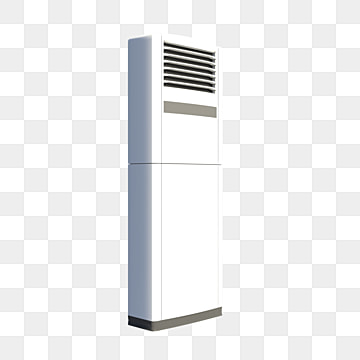
Packaged units also contain all major components in one cabinet, but the cabinet is placed outside the space, often on the ground, a trailer or a roof. Conditioned air is delivered into the building or structure through supply ducts, and return air is drawn back to the unit.
Packaged units are available in much larger capacities than portable units, commonly from around 5 tons to 30 tons or more of cooling. In the rental market, they are often mounted on skids or trailers for easy transport and positioning.
Advantages. Because the noisy compressor and condenser are outside, packaged units are quiet inside the space. They can cool large areas such as event tents, warehouses, exhibition halls and factory floors. Installation is relatively straightforward, since there are no refrigerant lines to connect on site. All that is needed is ducting and a power supply.
Limitations. Packaged units require outdoor space and a way to route ducts into the building or tent. They are heavy and may need lifting equipment. They also need a substantial power supply, often a dedicated generator for large installations.
Best for. Event marquees and temporary structures, warehouses, large halls, factories and buildings where the central cooling system has failed or is being replaced.
Ducted AC Systems
Ducted systems, sometimes called ducted split systems, separate the components. An indoor air handling unit containing the evaporator and fan sits inside or close to the space, often in a ceiling void, plant room or dedicated enclosure. An outdoor condensing unit containing the compressor and condenser is placed outside. The two are connected by refrigerant pipes, and cooled air is distributed through a network of ducts and grilles to multiple rooms or zones.
In permanent buildings, ducted systems are a common form of central air conditioning. In temporary applications, flexible ducted air handling units are often used with separate outdoor condensers or chillers to serve larger or more complex spaces.
Advantages. Ducted systems provide even, quiet and discreet cooling across multiple rooms, with only grilles visible to occupants. Zoning allows different areas to be controlled separately. They are highly efficient for large, permanent or long-term installations.
Limitations. Installation is more complex. Refrigerant pipework must be connected and tested by qualified technicians, and ductwork needs careful design. Setup takes longer and costs more than with portable or packaged units, which makes ducted systems less suitable for short-term needs.
Best for. Offices, hotels, villas, retail spaces and long-term temporary buildings where discreet, zoned cooling is required.
Side-by-Side Comparison
| Factor | Portable | Packaged | Ducted |
|---|---|---|---|
| Component location | All inside, in one cabinet | All outside, in one cabinet | Split: indoor air handler and outdoor condenser |
| Typical capacity | Small to medium | Medium to very large | Medium to large |
| Installation | Very quick, minimal | Moderate: ducts and power | Complex: pipework, ducts and commissioning |
| Indoor noise | Moderate | Low | Very low |
| Mobility | High | Moderate, often trailer-mounted | Low |
| Coverage | Single room or spot | Large open spaces | Multiple rooms or zones |
| Best rental duration | Short term | Short to medium term | Medium to long term |
Which Type Is Right for Your Application?
A single room or small area needs cooling quickly. Portable units are usually the best answer. A server room whose cooling has failed, a hot office or a busy kitchen can be cooled within hours. For short-term needs like these, portable AC rental is often more economical than purchasing equipment that may only be needed for a few weeks.
A large open space or temporary structure needs cooling. Packaged units are the natural choice. Event tents, exhibition halls, warehouses and factory floors benefit from high capacity, quiet indoor operation and ducted air delivery that can be directed where guests or workers need it most.
Several rooms need discreet, long-term cooling. Ducted systems are ideal when a building needs zoned cooling for months, such as a hotel wing during a chiller replacement or a temporary office complex on a long construction project.
A mixed requirement. Many projects combine types. A large event might use packaged units for the main marquee, portable units for the kitchen and production office, and misting fans for outdoor queues.
Power, Placement and Practical Planning
Whichever type you choose, several practical points should be considered at the planning stage.
Power supply. Air conditioning units draw significant power, and compressors need a surge of current when they start. Portable units may run from standard or industrial sockets, but packaged and ducted systems often require three-phase supply or a dedicated generator. Plan cooling and power together to avoid overloading circuits.
Heat rejection. Every air conditioner moves heat from inside to outside. Portable units need a proper exhaust route, while packaged and ducted systems need outdoor space with good airflow around the condenser. Placing condensers in enclosed or poorly ventilated spots reduces efficiency and can cause units to shut down.
Condensate drainage. Cooling removes moisture from the air, producing water. Make sure there is a safe way to drain condensate, especially in humid climates where volumes can be significant.
Ducting routes. For packaged and ducted systems, plan how ducts will enter the building or tent. Temporary installations often use flexible ducting through doors, windows or purpose-made panels.
Noise. Consider where people will be. Portable units add noise inside the space, while packaged and ducted systems move most of the noise outdoors, where it may affect neighbours or outdoor guests instead.
Sizing. Whatever the type, the unit must be sized to the actual heat load of the space, which depends on its size, insulation, occupancy, equipment, lighting and exposure to the sun. An undersized unit will run constantly without achieving comfort, while an oversized one may cycle on and off and fail to control humidity.
Final Thoughts
Portable, packaged and ducted air conditioning units all use the same refrigeration principles, but they solve different problems. Portable units offer speed and flexibility for small spaces and emergencies. Packaged units deliver high-capacity, quiet cooling for large open areas and temporary structures. Ducted systems provide discreet, zoned comfort for multi-room buildings and longer-term needs.
By matching the type of unit to the size of the space, the duration of the need, the available power and the importance of noise and appearance, you can create a cooling solution that keeps people comfortable and equipment protected, whatever the temperature outside.

About Premium Author
This post has been authored and published by one of our premium contributors, who are experts in their fields. They bring high-quality, well-researched content that adds significant value to our platform.
Popular Categories
Stay Connected
Recent Posts